





Climate and Natural Environment
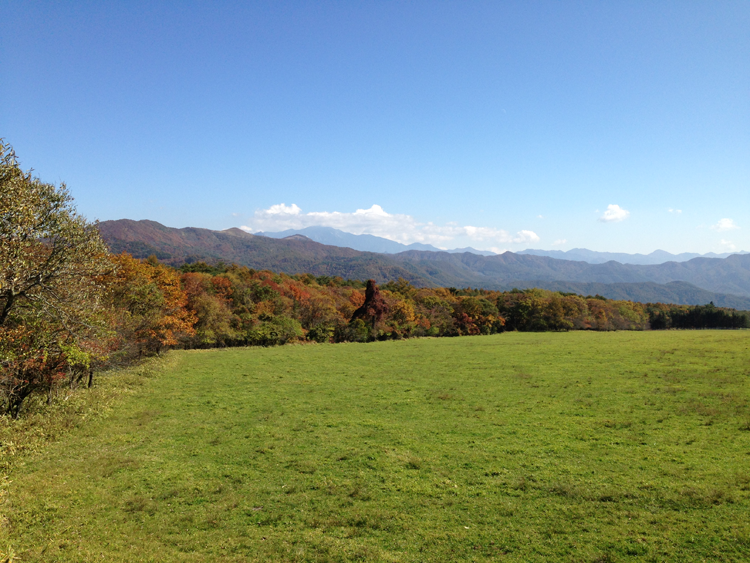
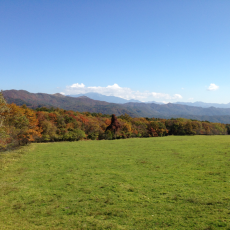
A magnificent view of the high and broad Yatsugatake Mountains with their main peak, Mt. Akatake
Japanfs Longest Hours of Sunshine, and Some of the Best Water
@@Because of Hokuto Cityfs broad expanse, climate differs considerably from one place to another. Akeno Town, at the foot of Mt. Kayagatake, is known as the place that gets the most sunlight in Japan, with a yearly average of 2,625 hours annually since observations began. Its insolation rate of over 50% makes it particularly suited to sunflowers.
@The plentiful snow and rainfall at the feet of Mt. Yatsugatake, Mt. Komagatake, and other mountains seep into the ground and endow Hokuto with superb water resources. This water emerges in places including the Mt. Yatsugatake Southern Slope Highland Springs and the Ojira River in Hakushu Town, which are among those chosen by the Environment Ministry as the g100 Remarkable Waters of Japan.h This makes Hokuto City the highland city with the best-tasting water in Japan.
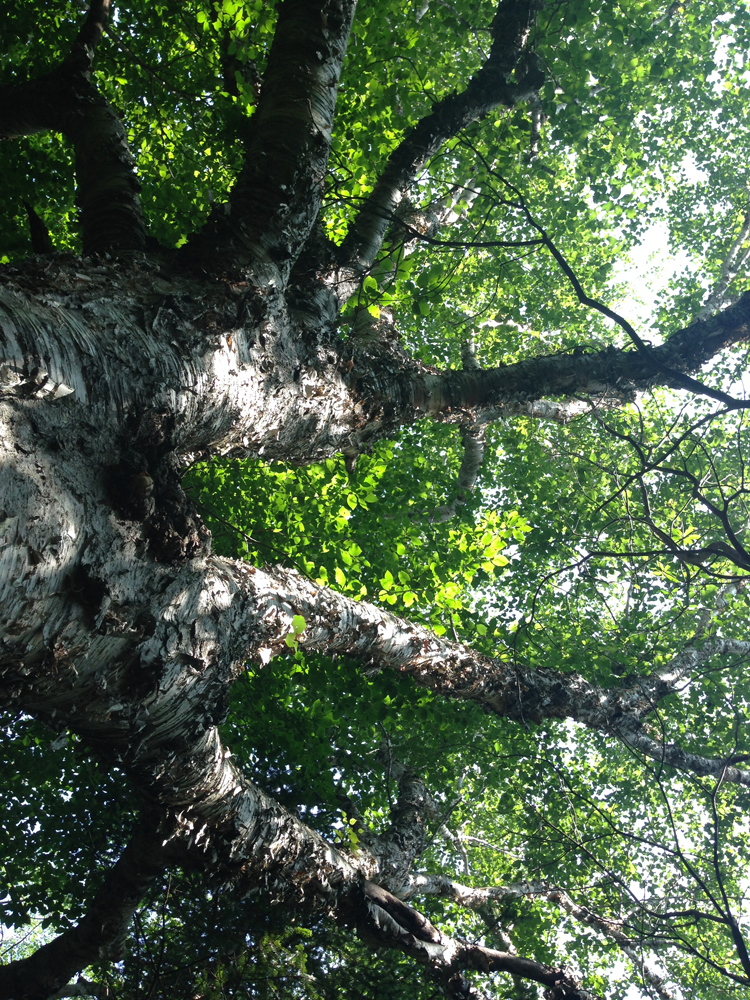
@Hokuto is surrounded by high mountains that might be called the roof of Japan, giving the area a highland climate that is cool in summer and just right as a place to escape the heat. At the same time, well-defined seasons give Hokuto beautiful flowers and trees of renown all year, such as the gUtsukushimori Giant Azaleash and the gYamataka Jindai Cherry Tree,h which is one of Japanfs gthree great cherry trees.h These are also government-designated natural monuments. Visitors are considerably impressed by these sights.
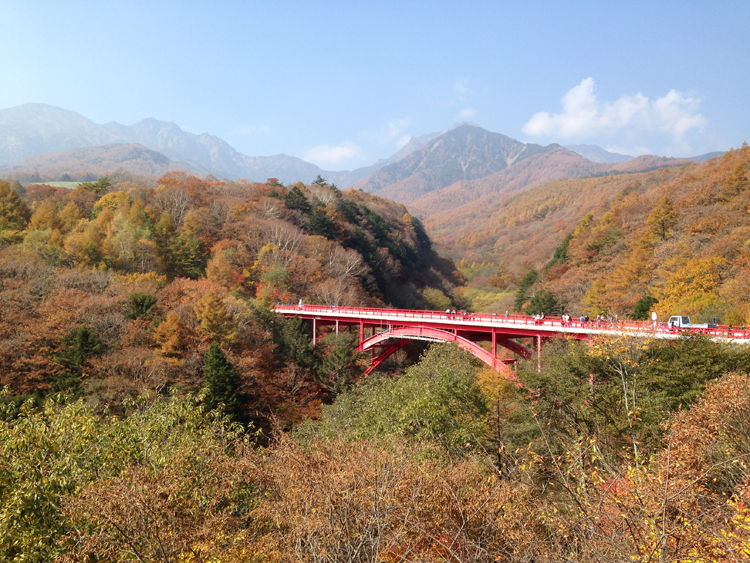
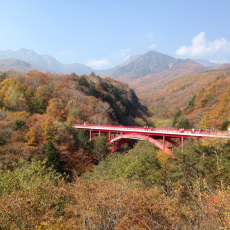
@In the spring there is a profusion of peach blossoms and well-known cherry trees, the latter including the gYamataka Jindai Cherry Tree,h which is famous as one of Japanfs three great cherry trees and is also a government-designated natural monument. Summer visitors luxuriate in the coolness of our highland climate, while in the autumn Mt. Yatsugatake, Mt. Kaikomagatake, Mt. Mizugaki, and others among the List of the 100 Famous Mountains in Japan are clothed in splendorous colored leaves. Visitors are moved by these sights, and by the harsh but dreamily beautiful winter.
Amazing Orogenic Movement Caused by Fossa Magna Plate Collision
The Fossa Magna, formed over eons of time
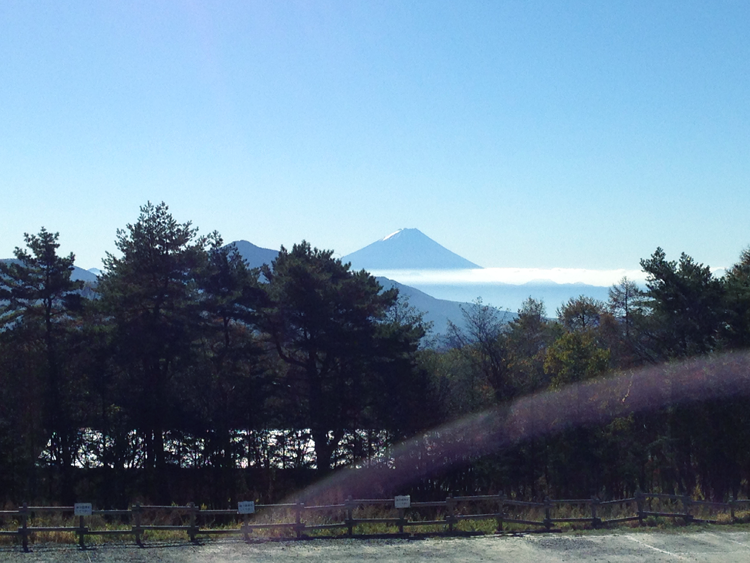
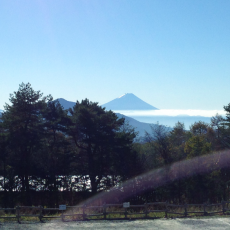
@Hokuto Cityfs natural environment is a product of collisions caused by the Fossa Magna, which is responsible for active orogenic movement that created the cityfs astonishingly beautiful natural views including Mt. Yatsugatake, Mt. Kaikomagatake, and Mt. Mizugaki. This orogenic movement is known among earth science researchers as gFossa Magnah (Latin for gbig trenchh), which crosses Honshu and is the largest rift valley in Japan. @It is said that the Fossa Magna was named by Edmund Naumann, a German geologist invited to Japan by the Meiji government, when he looked out over the huge mountain range from present-day Kiyosato (in Takane Town, Hokuto City) and exclaimed, gThe Earth is split here!h According to plate tectonics theory, the Fossa Magna was formed when the Eurasian plate, which carries the Southern Alps, collided with and was subducted by the North American plate advancing from the east, and further struck by the Philippine sea Plate, which carries the Izu Peninsula and is advancing from the south. Hokuto region scenery is said to be some of the most geologically valuable in the world because one can observe this three-way plate collision. @The Southern Alps continue to rise because of this very active orogenic movement, thereby continuing to create some of the worldfs most magnificent natural scenery. Hokuto City is a perfect place for observing this timeless global geological evolution on a grand scale.
Plants and Animals
@@Hokuto City takes great pride in what is literally valuable repository of wildlife, including the Japanese antelope, which is a large species representative of Japanfs alpine regions, plus squirrels, macaques, wild boars, Asiatic black bears, and other mammals, a variety of wild birds of all sizes, and innumerable alpine plants. Additionally, the nationally well-known cherry trees and countryside described above have an attraction that always makes visitors feel as if theyfve come home.